
lovethailand home >South Travel Attractions >Surat Thani Travel Attractions >Koh Samui >Ma Ret > Coral Viewing Site
TL;DR: Coral Viewing Site is located at Koh Samui Coastline And Nearby Islands, Ko Samui District, Surat Thani Province, open Daily, hours 08.00 - 17.00.
Coral Viewing Site

Open Days: Daily
Opening Hours: 08.00 - 17.00
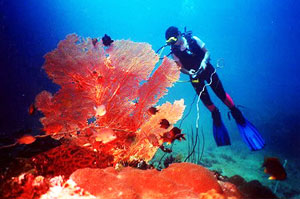
The coral-viewing areas around Koh Samui in Surat Thani cover the island’s coastline and nearby islands such as Koh Tan, Koh Madsum, Koh Taopon, Koh Som, Koh Mudlang, Koh Ratian, and Koh Rahin. The area is best suited for daytime snorkeling, shallow coral viewing, island-hopping, and learning about the marine ecosystem of the Gulf of Thailand. Boats and snorkeling equipment are usually arranged through bungalows, local tour companies, or boat operators on Koh Samui.
The coral-viewing areas around Koh Samui in Surat Thani Province offer a marine travel experience that goes beyond beaches and resorts. Koh Samui is widely known for Chaweng, Lamai, seaside hotels, coconut groves, temples, and viewpoints, but the sea around the island also contains shallow coral reefs, seagrass areas, small islands, rocky shores, and coastal habitats connected to the wider Gulf of Thailand ecosystem. The original travel information describes coral-viewing areas along Koh Samui’s coast and nearby islands, including Koh Taopon, Koh Som, Koh Mudlang, Koh Ratian, and Koh Rahin. In current travel practice, many visitors also use Koh Tan and Koh Madsum as the main snorkeling route from southern Koh Samui.
The appeal of snorkeling around Koh Samui lies in convenience. Travelers do not always need to make a long trip to Koh Tao or Ang Thong Marine Park to enjoy a short marine excursion. Those who want a relaxed half-day trip can travel from Koh Samui to nearby islands by long-tail boat, speedboat, or private charter. Koh Tan and Koh Madsum are among the most practical routes because they are close to the southern coast of Samui and can be combined into a comfortable half-day program.
The coral-viewing areas around Samui can be understood in two main groups. The first group consists of coastal areas around Koh Samui itself, especially sections with shallow water, rocky shorelines, and coral habitat such as Taling Ngam, Thong Krut, Laem Na Thian, Laem Lamai, and parts of the southern coast. The second group consists of nearby islands such as Koh Tan, Koh Madsum, Koh Mudlang, Koh Som, Koh Ratian, Koh Rahin, and other small rocky islands around Samui. Together, these areas include shallow reef flats, sandy seabeds, seagrass, rocky shorelines, and coastal water that support small fish and other marine life.
Koh Tan is one of the clearest and best-documented snorkeling destinations near Koh Samui. It lies south of Samui in Taling Ngam Subdistrict. The eastern side of Koh Tan has a long beach running parallel to a coastal coral reef, locally known as Ao Ok. The western side is a more enclosed bay with mangrove forest and rocky beach, known as Ao Tok. Koh Tan is therefore more than a snorkeling stop. It combines beaches, mangrove habitat, rocky shore, nature trails, and coastal routes that help visitors understand how island ecosystems work.
The coral reefs around Koh Tan and nearby islands are generally suited to snorkeling rather than deep scuba diving. Beginners can join a snorkeling trip if they can float safely, follow instructions, and wear a life jacket. Conditions still vary with weather, wind, currents, visibility, and season. A safe trip depends on choosing a boat operator that provides life jackets, snorkeling equipment, and local knowledge of the sea conditions.
Koh Madsum, also known by many visitors as Pig Island, is a small island south of Koh Samui and is commonly paired with Koh Tan in half-day tours. Koh Madsum is known for its white sandy beach, clear water, relaxing atmosphere, and beach pigs, while the surrounding route is also associated with snorkeling and shallow marine scenery. Many tours snorkel around Koh Tan first, then continue to Koh Madsum for swimming, beach time, and photography.
Other islands around Koh Samui, including Koh Som, Koh Mudlang, Koh Ratian, and Koh Rahin, appear in local tourism and marine-resource information as part of the wider Samui island group. These areas contain shallow-water habitats, reef flats, seagrass, seaweed, and coastal marine life. Some are not developed as regular public tourist piers, so visitors should only go with operators who know the actual routes, safe landing points, tides, and sea conditions.
Ecologically, the coral-viewing areas around Koh Samui are important because coral, seagrass, algae, small fish, crabs, mollusks, sea urchins, and many small marine organisms live together in the same coastal system. Coral reefs provide shelter and nursery grounds for young marine life. They also contribute to coastal biodiversity and help create underwater scenery that supports tourism. Snorkeling is therefore not only a leisure activity, but also an encounter with a fragile living ecosystem.
Marine surveys around the Samui island group have recorded coral groups such as massive Porites coral, Turbinaria coral, and Acropora in some areas. These coral forms play different roles in reef structure. Massive corals are generally strong and form stable reef surfaces. Plate-like corals create layered forms, while branching corals provide shelter for small fish. What visitors see depends on the specific snorkeling site, water depth, visibility, season, and reef condition at the time of travel.
The best time for snorkeling around Koh Samui is during calm sea conditions with clear weather and manageable wind. Trips are generally operated in the daytime, with the traditional tourism time window of 08.00 to 17.00 matching the practical hours for boat trips. Visitors should avoid going out during heavy rain, thunderstorms, strong winds, or unsafe sea conditions. Safety should always take priority over completing a planned itinerary.
Boats and snorkeling equipment can be arranged through bungalows, hotels, local tour companies, long-tail boat operators in Thong Krut, and island tour providers on Koh Samui. Travelers should ask what is included before booking. Key details include boat type, snorkeling equipment, life jackets, drinking water, lunch, insurance, hotel transfers, island fees, maximum passenger capacity, cancellation conditions, and what happens if the weather changes.
Thong Krut Pier is one of the most practical starting points for trips to Koh Tan and Koh Madsum. Located on the southern side of Koh Samui, it is closer to these islands than many of the island’s main beach districts. Travelers staying in Chaweng, Lamai, Bo Phut, Maenam, Nathon, or other parts of Samui can reach Thong Krut by private car, rental motorbike, hotel transfer, taxi, or tour pickup service.
Preparation is important for a comfortable snorkeling trip. Visitors should bring swimwear, a rash guard or long-sleeved sea shirt, a hat, towel, drinking water, dry bag, and suitable footwear for getting on and off boats. Sunscreen should be used responsibly, and wearing sun-protective clothing is often better than applying large amounts of lotion immediately before entering the sea. A compact waterproof bag is useful for phones, cash, and small personal items.
Responsible snorkeling etiquette is essential. Visitors must not step on coral, touch coral, collect shells or marine animals, feed fish, or leave waste in the sea. Coral may look like rock, but it is a fragile living organism. A single step can break coral that may take years to recover. Feeding fish also changes marine animal behavior and disrupts the natural balance of the reef.
Beginners should practice using a mask and snorkel before moving away from the boat. Those who are not confident in the water should remain close to the guide or boat crew and wear a life jacket at all times. Snorkeling does not require diving down. Floating calmly on the surface and looking down through the mask is usually enough to enjoy the reef without disturbing marine life below.
Families with children should choose operators with proper safety procedures and avoid rough-water conditions. Children should wear life jackets on the boat and in the water. Elderly visitors or travelers with medical conditions should inform the tour operator in advance, especially if they have heart conditions, blood pressure issues, asthma, balance problems, or difficulty climbing in and out of boats.
For underwater photography, visitors should use a waterproof camera or a properly sealed waterproof case. It is better to practice before entering the water. Avoid chasing fish, touching coral, or using coral as support while trying to take a photo. The best reef photographs are taken by floating calmly, keeping a respectful distance, and using natural light.
Coral bleaching is an important environmental issue for Thailand’s seas. It happens when corals are stressed by high sea temperature or other environmental pressures and lose the symbiotic algae living in their tissues. This makes the coral appear white and weak. If the stress continues, some coral may die. Responsible tourism cannot stop ocean warming by itself, but it can reduce direct pressure on reef ecosystems while they recover.
The waters around Koh Samui have been monitored by marine and coastal agencies for coral, seagrass, seaweed, marine animals, and coral bleaching. These studies show that Samui’s waters are not just a backdrop for tourism. They are living ecosystems with both richness and vulnerability. Tourists should choose operators that avoid anchoring on coral, manage snorkeling groups responsibly, and prioritize safety and conservation over rushing through a tour program.
One advantage of snorkeling around Koh Samui is that it can be combined easily with other travel plans. From Thong Krut, travelers can visit Koh Tan and Koh Madsum in half a day and return to Taling Ngam or southern Samui for seafood. Visitors staying in Lamai can combine the area with Hin Ta Hin Yai, Wat Phra That Sila Ngu, or Guan Yu Shrine on another day. Those staying in Chaweng or Bo Phut may prefer a tour package with hotel pickup and drop-off.
Food after snorkeling is part of the overall trip. Thong Krut and Taling Ngam have local seafood restaurants and small eateries suitable after returning from the boat. Travelers can also eat in Lamai, Bo Phut, or Nathon depending on where they stay. It is wise to allow time for showering, changing clothes, and resting after several hours in the sun and sea.
Accommodation choice depends on the travel style. Visitors who want to stay close to Thong Krut and the Koh Tan-Koh Madsum route should consider Taling Ngam, Thong Krut, or the southern end of Koh Samui. Travelers who prefer restaurants, nightlife, and a wider range of services may stay in Lamai or Chaweng, but should allow more travel time to the southern piers. Those who prefer quiet sea views and resort-style relaxation may find Taling Ngam especially suitable.
It is also useful to distinguish Samui’s nearby snorkeling routes from longer diving trips to Koh Tao or Sail Rock. Koh Tan and Koh Madsum are practical for beginners, families, and half-day travelers. Koh Tao and Sail Rock are more suitable for those seeking deeper diving, scuba instruction, or a longer dedicated dive day. Choosing the right route according to experience level makes the trip safer and more rewarding.
Getting There begins with reaching Koh Samui. Travelers can fly to Samui Airport or arrive by ferry from Donsak to Nathon or Lipa Noi. From there, continue by road to Thong Krut, Taling Ngam, or the departure point specified by the tour operator. Many tour companies provide hotel pickup, so travelers should confirm pickup time, departure pier, return time, and what to bring before the trip.
When choosing a tour package, read the details carefully rather than comparing only the price. A good package should specify destination, boat type, trip duration, passenger capacity, snorkeling equipment, life jackets, insurance, food, drinking water, weather policy, and cancellation conditions. For private boat trips, ask whether the boat has shade, a ladder, first-aid equipment, and enough crew support for the group size.
Snorkeling should be treated as a way to understand the sea, not simply a one-time activity. Every visitor enters the home of many living organisms. Floating calmly, keeping distance from coral, refusing to litter, avoiding marine animal disturbance, and choosing responsible operators all help keep the coral-viewing areas around Koh Samui meaningful for future visitors.
In summary, the coral-viewing areas around Koh Samui are ideal for travelers who want to experience the Gulf of Thailand at close range without traveling too far. The route combines the Samui coastline, Koh Tan, Koh Madsum, and nearby islands with shallow coral reefs, seagrass habitats, island scenery, and coastal community life. Boats and snorkeling gear can be arranged through accommodation providers, tour companies, or local operators on Koh Samui. With careful planning, safe weather, and responsible snorkeling behavior, this route offers one of the most accessible and worthwhile marine experiences in Surat Thani.
| Name | Coral-Viewing Areas Around Koh Samui, Surat Thani |
| Location | Koh Samui Coastline And Nearby Islands, Ko Samui District, Surat Thani Province |
| Address | Koh Samui Coastline And Nearby Island Areas, With Thong Krut Pier In Taling Ngam Subdistrict Commonly Used As A Departure Point, Ko Samui District, Surat Thani 84140 |
| Popular Departure Point | Thong Krut Pier, Koh Samui |
| Highlights | Snorkeling, shallow coral viewing, island-hopping, Koh Tan, Koh Madsum, and Gulf of Thailand marine ecosystems |
| Distinctive Features | A group of coastal and island snorkeling areas with shallow coral reefs, beaches, rocky shores, mangroves, seagrass, and small-island scenery |
| Main Coral-Viewing Zones | Koh Samui Coastline Koh Taopon Koh Som Koh Mudlang Koh Ratian Koh Rahin Koh Tan Koh Madsum |
| Departure Area | Thong Krut Pier, Taling Ngam, or the pier/departure point assigned by the tour operator |
| Recommended Activities | Snorkeling, coral viewing, fish watching, long-tail boat trips, speedboat trips, Koh Tan visits, Koh Madsum beach time, marine photography, and coastal nature learning |
| Travel Information | Travel to Koh Samui first, then continue by road to Thong Krut Pier or the operator’s departure point. From there, take a boat to Koh Tan, Koh Madsum, or other snorkeling areas according to the chosen program |
| Current Status | Open as a marine tourism and snorkeling route operated through accommodation providers, tour companies, and local boat operators on Koh Samui |
| Open Days | Daily |
| Opening Hours | 08.00 - 17.00, or daytime according to weather and operator schedule |
| Fees | Boat, snorkeling equipment, life jackets, meals, and transfers depend on the package offered by the accommodation, tour company, or local boat operator |
| Facilities | Boat rental, snorkeling equipment, life jackets, tour companies, departure piers, nearby restaurants, and hotel transfer services in selected packages |
| Safety Notes | Check the weather before departure, wear a life jacket, do not step on coral, do not touch marine animals, do not feed fish, and follow the boat crew or guide at all times |
| Local Information Contact | Koh Samui City Municipality, Tel. 077-421421-2 |
| Nearby Tourist Attractions | 1. Thong Krut Pier, about 0 km 2. Koh Tan, about 5 km 3. Koh Madsum, about 6 km 4. Taling Ngam Beach, about 7 km 5. Lamai Beach, about 15 km 6. Hin Ta Hin Yai, about 16 km 7. Guan Yu Shrine Koh Samui, about 13 km |
| Nearby Restaurants | 1. Thong Krut Pier Restaurant, about 0.1 km, Tel. 077-334-034 2. Krua Jumphao Koh Samui, about 1 km, Tel. 083-692-8665 3. The Chef Beach Cafe, about 4 km 4. Tarua Samui Seafood, about 15 km, Tel. 077-448-495 5. Sabienglae Samui, about 16 km, Tel. 077-332-651 |
| Nearby Accommodations | 1. The Beach Samui, about 0.3 km, Tel. 077-234-567 2. Centra by Centara Coconut Beach Resort Samui, about 3 km 3. The Treasure Koh Madsum Samui, about 6 km, Tel. 077-953-009, 077-953-010 4. Conrad Koh Samui, about 7 km, Tel. 077-915-888 5. InterContinental Koh Samui Resort, about 8 km, Tel. 077-429-100 |
Frequently Asked Questions (FAQ)
Q: Where are the coral-viewing areas around Koh Samui located?
A: They are located along the Koh Samui coastline and nearby islands such as Koh Tan, Koh Madsum, Koh Taopon, Koh Som, Koh Mudlang, Koh Ratian, and Koh Rahin. Many trips depart from Thong Krut or the pier assigned by the tour operator.
Q: Do visitors need to join a tour?
A: Visitors can join a tour or arrange a private boat through accommodation providers, local tour companies, or boat operators. It is important to confirm life jackets, snorkeling gear, insurance, snorkeling points, and weather conditions before booking.
Q: Is Koh Tan good for snorkeling?
A: Yes. Koh Tan is one of the most popular snorkeling areas near Koh Samui, with shallow coral reefs, beaches, mangroves, and nature trails suitable for a half-day marine trip.
Q: How is Koh Madsum connected to snorkeling trips?
A: Koh Madsum is often paired with Koh Tan in half-day tours. Travelers usually snorkel around Koh Tan first, then continue to Koh Madsum for beach time, swimming, and photography.
Q: When is the best time to snorkel around Koh Samui?
A: Daytime with calm seas, clear weather, and light wind is best. Most boat trips run from morning to afternoon or early evening. Trips should be avoided during heavy rain, thunderstorms, or unsafe sea conditions.
Q: Can beginners join a snorkeling trip?
A: Yes. Beginners can join if they wear a life jacket, use proper equipment, stay near the guide or boat, and avoid swimming far from the group.
Q: Are there admission fees for coral-viewing areas?
A: The main costs are boat rental, snorkeling equipment, and tour packages. Prices depend on the accommodation, tour company, or local boat operator, so details should be checked before travel.
Q: How can visitors protect the coral reefs?
A: Do not step on coral, touch marine animals, feed fish, collect shells, or leave trash in the sea. Choose responsible operators that manage boats and snorkeling activities carefully.
Category: ●Nature and Wildlife
Group: ●Other natural attractions
Last Update : 3 WeekAgo