
lovethailand home >Northeastern Travel Attractions >Nong Bua Lamphu Travel Attractions >Muang Nong Bua Lamphu >Non Than > Ban Khong Sawan Pottery Craft Village
TL;DR: Ban Khong Sawan Pottery Craft Village is located at Ban Khong Sawan, Moo 3, Non Than Subdistrict, Mueang Nong Bua Lam Phu District, Nong Bua Lam Phu Province, open Daily, hours 08.00 – 18.00.

Ban Khong Sawan Pottery Craft Village
Open Days: Daily
Opening Hours: 08.00 – 18.00
Ban Khong Sawan Pottery Craft Village in Nong Bua Lam Phu Province is a living community of traditional Thai pottery, located in Ban Khong Sawan, Moo 3, Non Than Subdistrict, Mueang Nong Bua Lam Phu District. The village lies about 17 km from Nong Bua Lam Phu town on Highway 210 toward Udon Thani. It is a practical and rewarding stop for travelers who want to experience local craftsmanship, buy handmade clay products, and understand how a simple natural material such as clay becomes household ware, garden decoration, and cultural heritage through skilled hands.
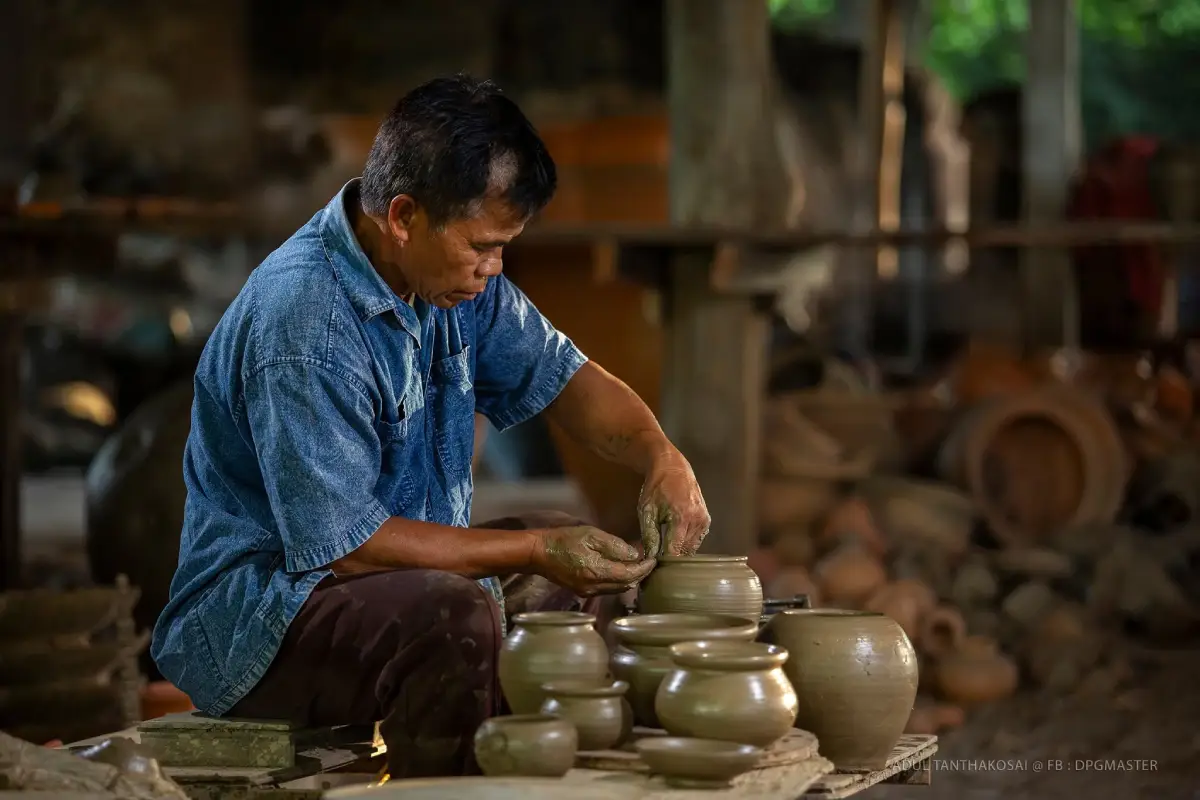
This is not just a roadside souvenir stop. Ban Khong Sawan is a pottery village where traditional production methods are still part of the community identity. The pottery found here is different from mass-produced factory goods. Each pot, jar, planter, water container, and garden ornament carries subtle traces of handwork: the curve of the rim, the weight of the clay, the natural surface, the fired earth tones, and the small variations that make each item feel personal. These qualities are exactly what make the village valuable for cultural travelers.
The appeal of Ban Khong Sawan lies in the direct relationship between people and clay. What begins as raw earth is kneaded, shaped, dried, decorated, and fired until it becomes something useful and beautiful. A clay pot is not only an object for cooking or decoration; it is the visible result of patience, experience, and local knowledge. For visitors, seeing these products in the village environment gives a deeper appreciation of Thai rural craftsmanship than simply buying pottery in a shop far away from its source.
The village is well suited for travelers who enjoy cultural routes, local communities, handicrafts, and slow travel. A visit here reveals another side of Nong Bua Lam Phu beyond temples, mountains, caves, and archaeological attractions. Pottery is closely tied to everyday life, and in Ban Khong Sawan it also reflects community livelihood. The rows of earthen pots, planters, and garden pieces displayed along the road and inside the village form a distinct visual identity, making this place a memorable stop on Highway 210.
In traditional Thai households, clay products once played an important role in daily living. Earthen pots were used for cooking, water jars helped keep water cool, and planters were part of home gardens. Making these objects required practical knowledge that could only be learned through real experience. A potter must understand which clay is suitable, how much moisture it should contain, how thick a vessel should be, how long it needs to dry, and how to control the firing process so that the finished piece becomes strong rather than cracked or misshapen.
The pottery of Ban Khong Sawan retains the character of northeastern Thai earthenware. Its colors usually come from natural clay and firing, ranging from soft brown and reddish brown to darker fired tones. The surface may not look perfectly uniform like industrial ceramics, yet that is part of its charm. When you look closely, you can see the rhythm of hand shaping, simple decorative lines, and the natural personality of fired clay. These details give the pottery a warm and grounded beauty that suits both traditional and contemporary spaces.
Products commonly found in the village include clay cooking pots, water jars, planters, lotus bowls, decorative containers, garden ornaments, small figurines, and custom cement or sculptural works. Some pieces are easy to carry, while larger jars and garden items are better suited for travelers with private vehicles. Visitors who plan to buy large items should ask the sellers about packaging, transportation, and delivery options. For home and garden design, the village offers many pieces that work well with natural, rustic, tropical, and Thai-inspired settings.
Walking around the village offers a very different feeling from shopping at a normal souvenir store. Here, visitors are close to the production environment. They can see pottery arranged around the community and get a sense of how this craft fits into local life. The village atmosphere is simple and unpretentious, but that is part of its strength. It shows real craft in a real community, not a staged attraction built only for tourists. For travelers who value authenticity, this makes the experience more meaningful.
The pottery-making process begins with preparing the clay. The clay must be sticky enough to hold its shape but balanced enough not to crack easily during drying or firing. After preparation, it is kneaded to remove air pockets and create a more even texture. The potter then shapes the clay into the desired form. This stage requires steady hands and a trained eye. While the clay remains moist, the form can still change, so the potter must work carefully, adjusting pressure and balance as the piece takes shape.
After shaping, the pottery must be dried properly. This is a critical step. Clay that still contains too much moisture may crack or break when fired. Drying depends on sunlight, wind, shade, and the experience of the maker. Once the piece is dry enough, it is fired. Firing transforms soft clay into a durable object. The final color and strength depend on the clay, the firing method, the temperature, and the length of time in the kiln. This is why handmade pottery carries so much knowledge within a single object.
The value of Ban Khong Sawan is therefore not limited to the finished products. It also lies in the process behind them. Pottery is a slow craft. It cannot be rushed at every stage. The maker must wait for the clay to be ready, wait for the piece to dry, and wait for the firing to complete. This rhythm connects the craft with nature. Once visitors understand this process, a simple clay pot becomes more than a household object. It becomes a record of local skill, time, and patience.
For travelers interested in home decoration, Ban Khong Sawan is a useful place to browse. Clay planters are ideal for tropical plants, foliage plants, flowers, and natural garden design. Large bowls and jars can become focal points in outdoor spaces. Smaller pieces can be used to decorate homes, cafés, restaurants, and photo corners. The earthy colors of the pottery blend well with wood, stone, plants, and water features, making them versatile for both traditional and modern design.
Visitors who want to buy souvenirs should take time to choose carefully. Each piece is different in shape, thickness, surface, and weight. For outdoor use, it is best to choose strong pieces suitable for weather exposure. For indoor decoration, visitors may prefer smaller items with refined shapes or attractive natural colors. Speaking with local sellers helps you choose the right piece and understand how to handle and transport it safely.
Ban Khong Sawan also functions as a creative learning destination. It allows visitors to learn about craft through real objects rather than display panels alone. Children can see how clay becomes a useful object. Adults can appreciate the relationship between craftsmanship, local economy, and cultural identity. Artists, designers, gardeners, and café owners may find inspiration in the forms, textures, and natural colors of the pottery. This makes the village valuable not only as a shopping stop but also as a source of ideas.
Within a broader Nong Bua Lam Phu travel route, Ban Khong Sawan adds an important community dimension. The province already offers respected cultural and natural attractions such as Wat Tham Klong Phen, the 150 Million Years Stone Shell Museum and Dinosaur Non Than, the King Naresuan the Great Shrine, and Phu Phan Noi. When the pottery village is added to the route, travelers can experience faith, geology, nature, history, and local craft in one journey.
A practical day trip can begin in Nong Bua Lam Phu town with the King Naresuan the Great Shrine or the lakeside town area, then continue along Highway 210 toward Non Than. Travelers can visit the 150 Million Years Stone Shell Museum and Dinosaur Non Than to learn about fossils and geological history, then continue to Ban Khong Sawan to browse pottery. If time allows, the trip can continue to Wat Tham Klong Phen to pay respect to Luang Pu Khao Analayo and enjoy the peaceful atmosphere of a forest temple.
The best time to visit is from morning to afternoon, when there is enough daylight for walking, choosing products, and photographing pottery. Morning and late-afternoon light make the fired clay colors look especially warm. Comfortable clothing and easy walking shoes are recommended. Travelers who plan to buy large pottery items should prepare space in the vehicle and bring cushioning material, or ask sellers about suitable packing and delivery options.
The village atmosphere is modest and local. It does not have the structure of a large museum or a modern tourist complex, but that simplicity is exactly what gives the place its character. Visitors come here to see a real craft community, real products, and a local way of making a living. This type of experience is valuable for travelers who want to understand Thailand beyond major attractions and famous landmarks.
Good manners are important when visiting a working craft village. Visitors should ask before photographing people or private production areas, avoid touching unfinished pottery, and walk carefully around fragile items. Buying directly from the community is a meaningful way to support the craft. Even a small purchase helps maintain the connection between tourism and local livelihood.
For families, Ban Khong Sawan is an educational stop. Children can observe how natural clay becomes a useful object and learn that handmade products require time and skill. Parents can encourage them to notice shapes, patterns, colors, and the practical uses of pottery. This turns a short visit into a learning experience about materials, local work, and Thai cultural heritage.
For international travelers, Ban Khong Sawan is an accessible example of local Thai craftsmanship. Pottery exists in many cultures around the world, so visitors can easily connect this village with their own understanding of clay, vessels, and handmade objects. At the same time, the forms, textures, and setting here are distinctly local. This makes the village a useful stop for foreign visitors who want to see cultural heritage that is still connected to everyday life.
Preserving the pottery knowledge of Ban Khong Sawan matters because crafts like this depend on real makers and real transmission. If younger generations do not continue learning, many practical techniques may gradually disappear. Visiting the village, buying local products, and sharing its story with respect can help keep this heritage visible and relevant in contemporary life.
Ban Khong Sawan is therefore a worthwhile destination for travelers who want to see a quieter, more grounded side of Nong Bua Lam Phu. A visit may take only 30 minutes to 1 hour, but it leaves a clear impression of local craft and community identity. Those who enjoy handmade objects, garden decoration, rural culture, and meaningful souvenirs will find this village especially rewarding.
Getting There from Nong Bua Lam Phu town, take Highway 210 toward Udon Thani for about 17 km to Ban Khong Sawan in Non Than Subdistrict. The most convenient way to visit is by private car, rental car, or motorcycle. Travelers coming from Udon Thani can also use Highway 210 toward Nong Bua Lam Phu and stop at the village before reaching the town area. Having your own vehicle makes it easier to combine the pottery village with the nearby fossil museum, Wat Tham Klong Phen, and other attractions in the same area.
In summary, Ban Khong Sawan Pottery Craft Village is a practical and meaningful destination for anyone who wants to understand Nong Bua Lam Phu through local craftsmanship. It offers handmade pottery, community livelihood, cultural learning, and a strong sense of place. Visitors can come daily from 08.00 to 18.00, browse earthenware products, buy useful or decorative pieces, and continue the journey to nearby cultural, historical, and natural attractions in Non Than and Mueang Nong Bua Lam Phu.
| Name | Ban Khong Sawan Pottery Craft Village |
| Location | Ban Khong Sawan, Moo 3, Non Than Subdistrict, Mueang Nong Bua Lam Phu District, Nong Bua Lam Phu Province |
| Address | Moo 3, Non Than Subdistrict, Mueang Nong Bua Lam Phu District, Nong Bua Lam Phu Province 39000, Thailand |
| Highlights | A local pottery production and sales village known for traditional earthenware, with products displayed along the roadside and within the community |
| History | A local craft community in Non Than Subdistrict that preserves pottery-making knowledge and traditional earthenware production in Nong Bua Lam Phu |
| Name Origin | Named after Ban Khong Sawan, the pottery-making village in Non Than Subdistrict |
| Distinctive Features | Handmade earthenware in natural clay tones, including pots, jars, planters, lotus bowls, garden ornaments, and custom sculptural works |
| Travel Information | From Nong Bua Lam Phu town, take Highway 210 toward Udon Thani for about 17 km; private car or rental car is the most convenient option |
| Current Status | Open for visitors to browse and buy pottery products |
| Open Days | Daily |
| Opening Hours | 08.00 – 18.00 |
| Facilities | Pottery shopping areas, community product displays, and parking areas based on local village conditions |
| Main Areas / Zones | Community pottery production areas, roadside sales points, village shopping areas, and display areas for clay products in various sizes |
| Main Contact Number | 087-128-9533 |
| Nearby Tourist Attractions | 1. Wat Tham Klong Phen, about 6 km 2. Luang Pu Khao Analayo Museum, about 6 km 3. 150 Million Years Stone Shell Museum And Dinosaur Non Than, about 8 km 4. King Naresuan The Great Shrine, about 17 km 5. Phu Phan Noi Ecotourism Area, about 23 km |
| Nearby Restaurants | 1. Somtam Don Khi, about 18 km, Tel. 085-466-0677 2. Lab Ped Non Somboon, about 19 km, Tel. 081-507-9902 3. Parinya Restaurant Nong Bua Lam Phu, about 20 km, Tel. 092-558-6442 4. Tree Bar’ & Restaurant, about 21 km, Tel. 089-419-1959 5. Krua Rim Thang, about 22 km, Tel. 080-342-3997 |
| Nearby Accommodations | 1. Ruean Chor Fah Hotel, about 17 km, Tel. 095-658-5544 2. Viphaporn Hotel, about 18 km, Tel. 042-312-866 3. Nongbua Greenview Hotel, about 19 km, Tel. 083-849-0987 4. Phufah Resort, about 20 km, Tel. 042-311-866 5. Nattapong Grand Hotel Nong Bua Lam Phu, about 20 km, Tel. 042-361-188 |
Frequently Asked Questions (FAQ)
Q: Where is Ban Khong Sawan Pottery Craft Village located?
A: It is located in Ban Khong Sawan, Moo 3, Non Than Subdistrict, Mueang Nong Bua Lam Phu District, Nong Bua Lam Phu Province, about 17 km from the town on Highway 210 toward Udon Thani.
Q: What are the opening days and hours?
A: The village is open daily from 08.00 to 18.00.
Q: What makes Ban Khong Sawan Pottery Craft Village special?
A: It is known for traditional handmade pottery, including clay pots, jars, planters, lotus bowls, garden ornaments, and other earthenware products made with local craft knowledge.
Q: Can visitors buy pottery directly from the village?
A: Yes. Visitors can buy pottery from roadside sales points and within the village. For large pieces, it is best to ask sellers about packing and transportation.
Q: How do travelers get to Ban Khong Sawan?
A: From Nong Bua Lam Phu town, take Highway 210 toward Udon Thani for about 17 km. Traveling by private car or rental car is the easiest option.
Q: How long should visitors spend there?
A: Most visitors spend about 30 minutes to 1 hour browsing pottery, taking photos, and talking with sellers. More time is useful for selecting large items.
Q: What nearby attractions can be combined with this visit?
A: Nearby attractions include Wat Tham Klong Phen, Luang Pu Khao Analayo Museum, the 150 Million Years Stone Shell Museum and Dinosaur Non Than, King Naresuan the Great Shrine, and Phu Phan Noi Ecotourism Area.
Q: Who is this village suitable for?
A: It is suitable for cultural travelers, craft lovers, families, garden decorators, designers, and visitors looking for meaningful handmade souvenirs from Nong Bua Lam Phu.
 Category: ●Suburban Living
 Group: ●Village, Community
Last Update : 2 MonthAgo
 Last Update : 2 MonthAgo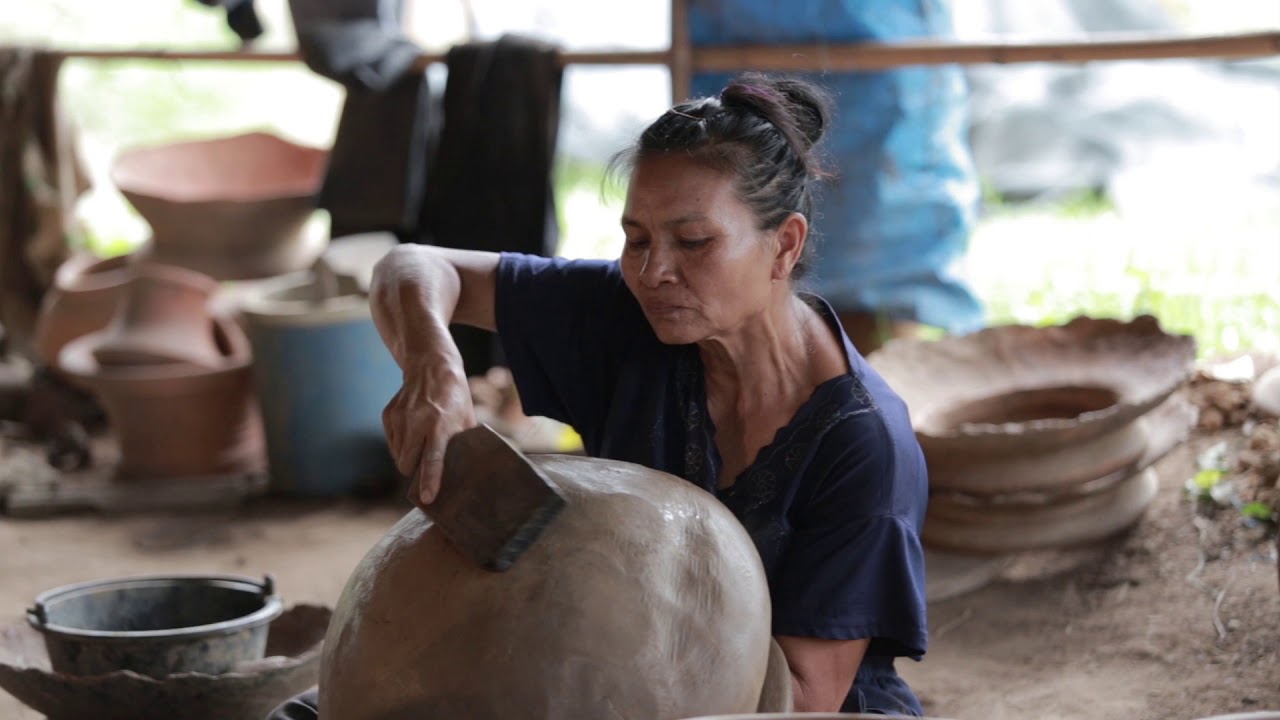
 Click to Access the Navigation Map GPS
Ban Khong Sawan Pottery Craft Village Map

 Art, Culture and Heritage
 Historical Sites and Monuments(4)
 Landmarks and Memorials(1)
 Art, Craft Centres, Tradition(1)
 Museums(3)
 Places of Worship
 Temple(10)
 Other Sacred Sites(6)
Village, Community(3)
Other Sacred Sites(6)
Village, Community(3)
 Nature and Wildlife
 National Parks and Marine Reserves(3)
 Mountain (Doi)(5)
 Dam, Reservoir, Lake(5)
 Waterfalls(1)
 Caves(6)
 River, Canal(2)
 Bays and Beaches(1)
 Other natural attractions(3)


