
lovethailand home >North Travel Attractions >Nakhon Sawan Travel Attractions >Muang Nakhon Sawan >Pak Nam Pho > Sor Mueang Lanna Tradition
TL;DR: Sor Mueang Lanna Tradition.
Sor Mueang Lanna Tradition
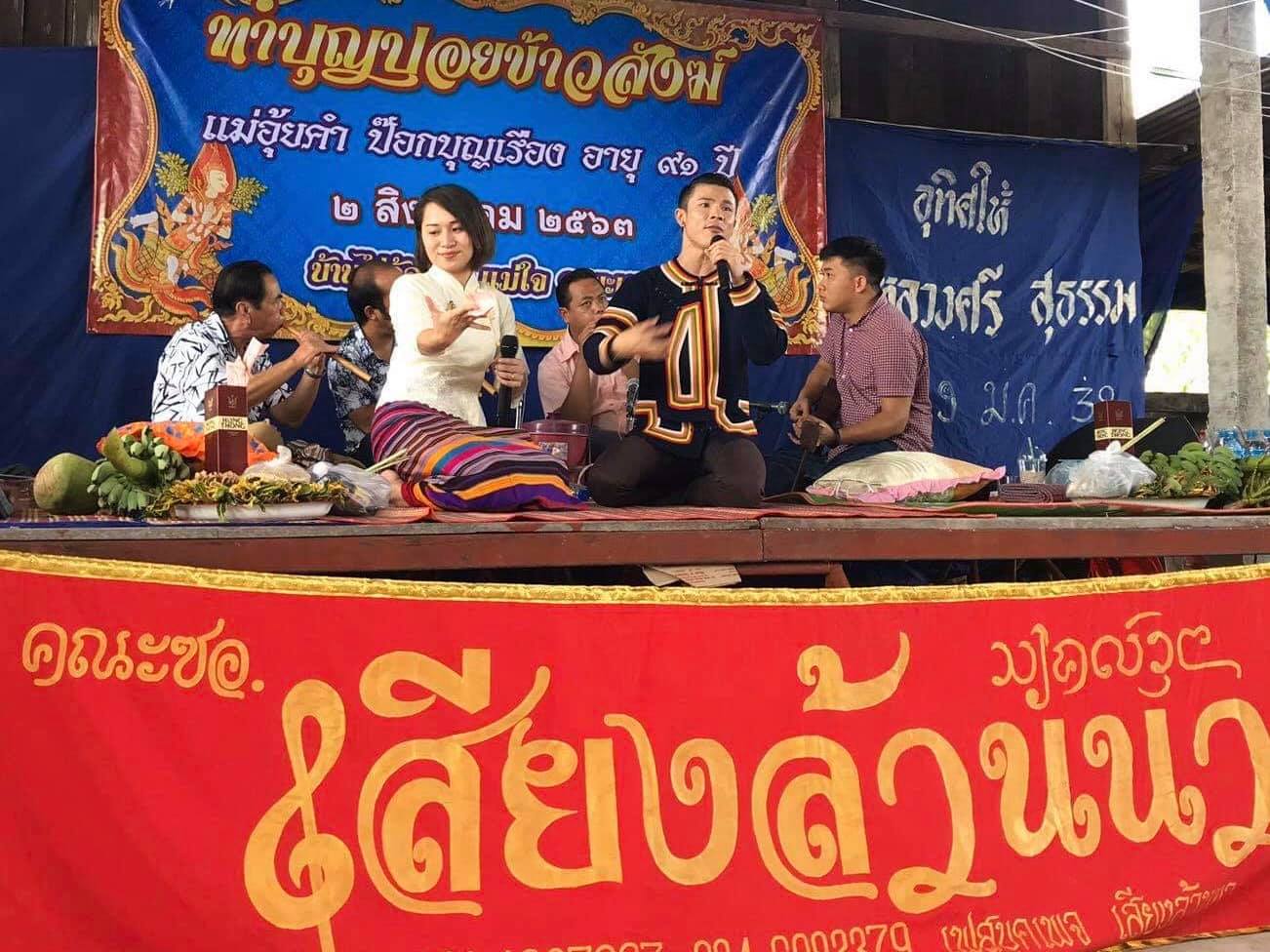
Performance Days: Commonly Featured At Merit-Making Events, Temple Fairs, Auspicious Ceremonies, And Lanna Cultural Activities
Performance Hours: Depending On The Schedule Of Each Event
So Mueang, The Lanna Folk Singing Tradition, is one of the most important performing arts of Northern Thailand, especially in the Lanna cultural region. In this context, the word “so” does not refer only to a musical instrument. It refers to a form of folk singing that uses melody, poetic language, storytelling, wit, and emotional expression. So Mueang is therefore a performing art, a narrative tradition, a vehicle of local wisdom, and a living expression of Lanna community life.
The charm of So Mueang lies in its accessibility and its ability to reflect everyday life. Its content may involve love, courtship, humor, local legends, folktales, Buddhist stories, community events, or moral lessons. Audiences do not receive only entertainment; they also absorb ethical values, social reflections, and a deeper understanding of the Lanna way of life.
In the past, So Mueang played an important role in merit-making events and local ceremonies, including temple fairs, ordination ceremonies, weddings, housewarming events, poi festivals, Tan Kuai Salak ceremonies, and important Buddhist occasions. Having so singers at an event helped create a warm and lively atmosphere. The performance brought villagers together and reflected the close relationship between temple, home, and community.
The roots of So Mueang are grounded in Lanna life, faith, and language. It uses the Northern Thai dialect beautifully and skillfully. A performer must know how to choose words, follow rhythm, create rhyme, and improvise with wit. This is especially important in male-female responsive singing, where quick thinking, local knowledge, and emotional expression are essential.
Traditional so performers were not merely entertainers. They were storytellers, moral communicators, and cultural voices of the community. Many forms of So Mueang include Buddhist teachings and life lessons, such as doing good deeds, gratitude toward parents, moral discipline, mindfulness, and living harmoniously with others. For this reason, some forms of so can be understood as a folk form of Buddhist teaching.
So Mueang appears in many forms depending on its content and purpose. So Thamma focuses on Buddhist teachings and moral reflection. So Kiaow centers on love, courtship, teasing, and dialogue between young men and women. So Lao Rueang presents stories from folktales, legends, or familiar local narratives. Other forms are connected with merit-making events, rituals, and praise for respected people or places.
One of the outstanding qualities of So Mueang is improvisation. A skilled so performer can incorporate the names of hosts, local events, people in the audience, or details of the occasion into the performance in a poetic and entertaining way. This makes each performance lively, unique, and closely connected with the audience.
So Mueang is often accompanied by traditional Lanna music. Common instruments include the salo, sueng, flute, pi, ching, chap, and local drums. The sound of the salo is soft and expressive, while the sueng provides rhythm and melodic support. Together, these instruments create the distinctive atmosphere commonly associated with “Salo So Sueng,” one of the most recognizable sound images of Northern Thai music.
The phrase “Salo So Sueng” sometimes causes confusion because people may assume that so is a musical instrument. In Lanna culture, however, so refers mainly to singing or vocal narrative, while salo and sueng are accompanying instruments. Understanding this distinction helps clarify the real value of So Mueang, whose core lies in voice, Lanna language, poetic content, melody, and the performer’s wit.
The costumes worn by So Mueang performers usually reflect Lanna identity. Female performers often wear traditional sin skirts, local blouses, and ornaments, sometimes with flowers in their hair. Male performers often wear Northern Thai traditional clothing appropriate to the occasion. Costumes strengthen the cultural atmosphere of the performance, allowing audiences to experience Lanna heritage through sound, language, image, and gesture.
So Mueang also plays a meaningful role in weddings. So Kiaow and responsive singing can create a joyful atmosphere by gently teasing the bride and groom, praising the hosts, blessing the couple, and entertaining the guests. At the same time, the performance usually maintains the politeness and social boundaries valued in local culture.
In ordination ceremonies and temple events, So Mueang can serve both entertainment and religious purposes. Performers may use folk language, storytelling, and humor to explain Buddhist teachings in ways that are easy to understand. So Thamma is therefore a clear example of how folk performance can support Buddhist learning and community faith.
As a form of folk literature, So Mueang is an important storehouse of language and local wisdom. Many so lyrics are poetic, rhythmic, and melodic. Learners must practice listening, memorizing, pronunciation, and the correct use of Northern Thai expressions. The transmission of so therefore helps preserve the Lanna dialect, local idioms, poetic forms, and traditional ways of thinking.
So Mueang also reflects social structure and relationships within the community. Its lyrics often refer to family love, romantic relationships, respect for elders, honoring teachers, moral conduct, and living within social traditions. Listeners enjoy the performance while also learning about Lanna social values and community life.
Today, So Mueang has a smaller role than in the past because modern entertainment has become more dominant, lifestyles have changed, and the number of elder performers has declined. Even so, the tradition has not disappeared. It continues to be preserved and revived through cultural festivals, tourism events, so competitions, local learning activities, public performances, and online media.
Younger performers and cultural groups have adapted So Mueang to contemporary contexts. They bring it to cultural stages, share performances online, combine it with modern music, or use it as a storytelling medium for younger audiences. These adaptations help So Mueang remain visible in modern society while preserving the essence of Lanna folk performance.
For cultural tourism, So Mueang offers travelers a deeper experience of Lanna culture than sightseeing alone. Audiences hear the local dialect, traditional melodies, Lanna instruments, humor, and the warmth of community life. Watching So Mueang at a temple fair or cultural event can be a memorable experience that reveals the living spirit of Northern Thai culture.
The value of So Mueang does not lie only in its age. It lies in its ability to connect past and present. This art form allows younger generations to learn about Lanna language, traditions, morality, stories, and community roots through song and performance. With continued support for learning, documentation, and public performance, So Mueang can remain a living cultural heritage.
In summary, So Mueang is a Lanna folk performing art that deeply reflects the identity of Northern Thailand. It brings together language, music, literature, Buddhism, community relationships, and traditional entertainment. Although society has changed, So Mueang remains a symbol of local wisdom that deserves preservation, transmission, and thoughtful adaptation for future generations.
| Tradition / Performing Art Name | So Mueang, The Lanna Folk Singing Tradition |
| Main Region | Northern Thailand, especially Lanna areas such as Chiang Mai, Lamphun, Lampang, Chiang Rai, Phrae, Nan, and Phayao |
| Key Characteristics | Lanna folk singing that involves storytelling, dialogue, improvisation, poetic language, and moral reflection in the Northern Thai dialect |
| Importance | A cultural heritage that reflects Lanna life, language, music, Buddhism, folk literature, and community relationships |
| Occasions For Performance | Merit-making events, temple fairs, ordination ceremonies, weddings, poi festivals, local traditions, and Lanna cultural activities |
| Types Of So | So Thamma, So Kiaow, storytelling so, responsive so, and so performed in merit-making or ritual contexts |
| Performers | So singers, folk performers, and Lanna traditional artist groups |
| Accompanying Instruments | Salo, sueng, flute, pi, ching, chap, and local drums |
| Costume | Traditional Lanna clothing; women often wear sin skirts and local blouses, while men often wear Northern Thai traditional outfits |
| Cultural Value | Preserves the Lanna dialect, folk literature, traditional melodies, Buddhist values, and local community wisdom |
| Current Status | Still preserved and revived through cultural festivals, tourism events, so competitions, local learning programs, and online media |
Frequently Asked Questions (FAQ)
Q: What Is So Mueang?
A: So Mueang is a Lanna folk singing tradition that uses the Northern Thai dialect to tell stories, improvise, respond in dialogue, entertain audiences, and share moral lessons.
Q: Is So Mueang A Musical Instrument Or A Singing Tradition?
A: In Lanna culture, So Mueang refers mainly to singing or vocal narrative, not a musical instrument. Instruments such as salo and sueng are used to accompany the performance.
Q: When Is So Mueang Usually Performed?
A: It is commonly performed at temple fairs, merit-making events, ordination ceremonies, weddings, poi festivals, local traditions, and Lanna cultural activities.
Q: What Are The Main Types Of So Mueang?
A: Common types include So Thamma, So Kiaow, storytelling so, responsive so, and forms used in merit-making or ritual contexts.
Q: What Instruments Are Used With So Mueang?
A: Common accompanying instruments include salo, sueng, flute, pi, ching, chap, and local drums, which create a distinct Lanna musical atmosphere.
Q: Why Is So Mueang Important To Lanna Culture?
A: It preserves the Lanna dialect, folk literature, traditional melodies, Buddhist values, humor, and community wisdom, making it an important cultural heritage of Northern Thailand.
Q: Does So Mueang Still Exist Today?
A: Yes. It is still performed and revived in cultural festivals, tourism events, competitions, local learning programs, and through online media.
 Category: ●Art, Culture and Heritage
 Group: ●Art, Craft Centres, Tradition
Last Update : 4 MonthAgo
 Last Update : 4 MonthAgo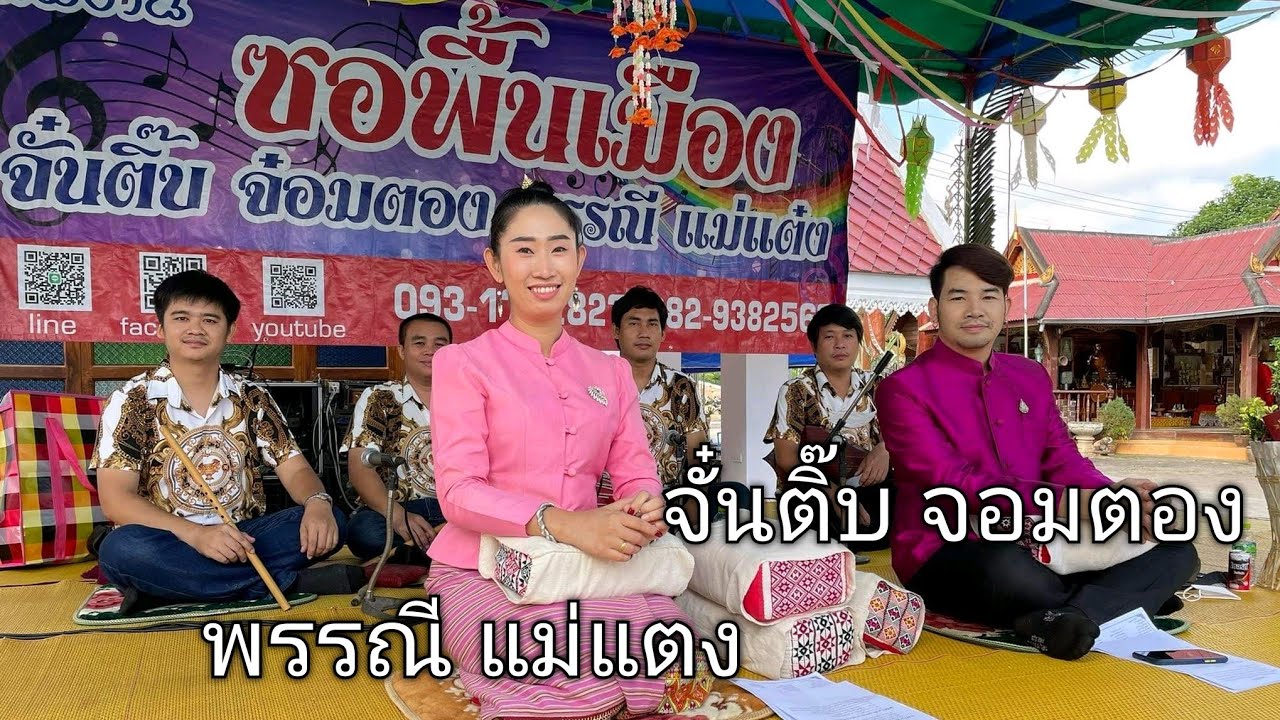

 Historical Sites and Monuments(3)
 Landmarks and Memorials(4)
Art, Craft Centres, Tradition(9)
Landmarks and Memorials(4)
Art, Craft Centres, Tradition(9)
 Museums(3)
 Educational Places
 Museum for Study(1)
 Places of Worship
 Temple(34)
 Other Sacred Sites(4)
 Research and Development
 Royal Project(1)
 Suburban Living
 Village, Community(4)
 Local Market(2)
 Floating Market(1)
 Nature and Wildlife
 National Parks and Marine Reserves(3)
 Mountain (Doi)(3)
 Dam, Reservoir, Lake(6)
 Waterfalls(3)
 Caves(8)
 River, Canal(6)
 Other natural attractions(3)
 Entertainment and Agricultural
 Zoos and Aquariums(2)
 Animal camps and shows(1)
 Farms, Parks and Ecotourism(6)
 Accommodation
 Hotel(1)
 Travel Articles, Recipes
 Travel Review, Food Review(3)


